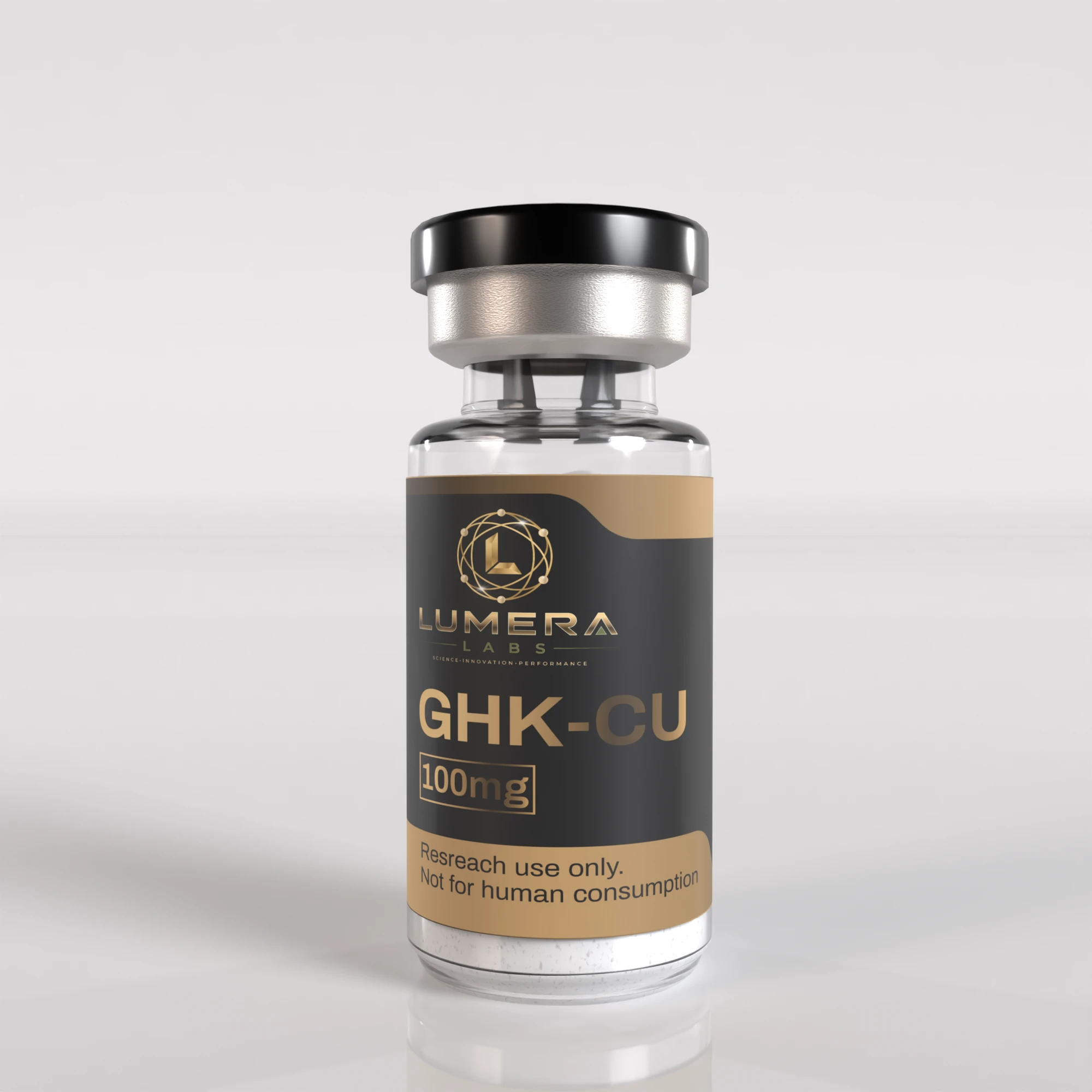

GHK-CU: A Research-Use Only Peptide for Scientific Exploration
GHK-CU, a copper complex of the tripeptide glycyl-histidyl-lysine (GHK), is widely recognized in scientific research for its multifaceted biological properties. This peptide has been extensively studied for its potential roles in wound healing, skin regeneration, and anti-aging processes due to its ability to chelate copper ions.
Research Context
The discovery of GHK-CU’s potent bioactivity traces back to the 1970s when it was first identified as a naturally occurring compound that significantly influenced cellular proliferation. Subsequent studies have highlighted its role in modulating various physiological processes, including cellular adhesion, migration, and differentiation.
Research Overview
GHK-CU’s mechanism of action involves the chelation of copper ions, which are essential cofactors for numerous enzymes involved in extracellular matrix (ECM) synthesis and degradation. This interaction enhances the stabilization and remodeling of ECM proteins, contributing to improved tissue integrity.
Key Research Focus Areas
- Cutaneous Biology: GHK-CU is a key player in skin research, influencing dermal matrix architecture and promoting wound healing processes through enhanced fibroblast activity and collagen synthesis.
- Osteoimmunology: Studies have shown that GHK-CU can affect osteoblast function and bone remodeling, making it relevant for the investigation of skeletal health and diseases.
- Cancer Research: The peptide has been explored in cancer research for its potential role in inhibiting tumor growth and metastasis by modulating angiogenesis and cell proliferation.
Final Compliance Disclaimer
This product is intended for research use only. Not for human or animal consumption.
| Size | 50MG, 100MG |
|---|
Reviews
There are no reviews yet.