
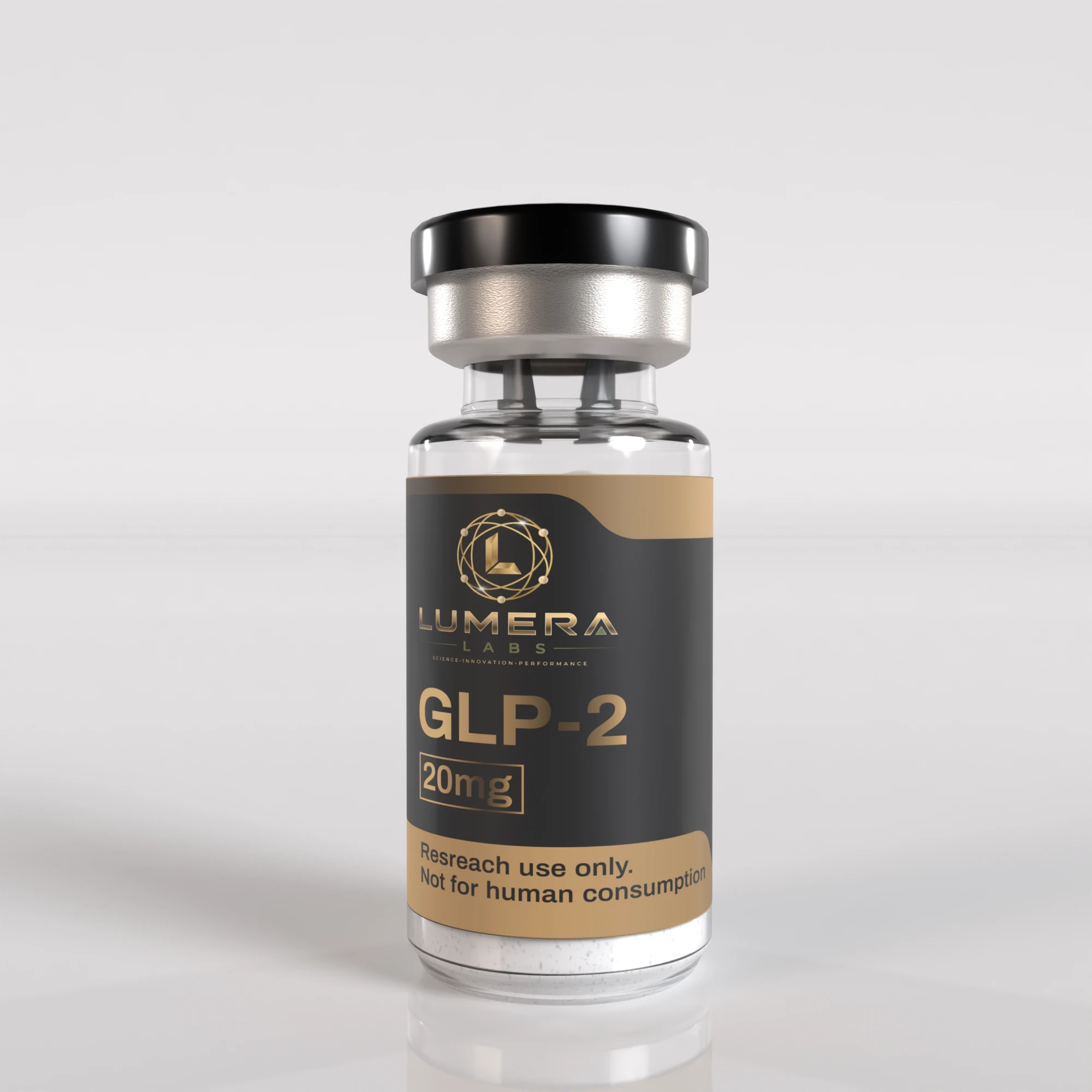

GLP-2: Research Overview
Gut Peptide 2 (GLP-2), also known as glucagon-like peptide-2, is a synthetic analog of the naturally occurring GLP-2 hormone. This polypeptide has gained significant attention in the scientific community for its potential roles in gastrointestinal health and growth.
Research Context
GLP-2 was first identified in 1987 as an intestinal peptide that plays a crucial role in nutrient absorption, fluid secretion, and cell proliferation. It is primarily produced by L cells located in the small intestine of mammals, including humans. The hormone has been studied extensively for its effects on gastrointestinal motility, inflammation, and barrier function.
Research Overview
GLP-2 research spans a wide array of applications, from understanding basic physiological processes to exploring potential therapeutic uses in various diseases. Its role in promoting intestinal health makes it particularly interesting for studies related to conditions such as short bowel syndrome, inflammatory bowel disease (IBD), and other gastrointestinal disorders.
Key Research Focus Areas
- Gastrointestinal motility and function
- Inflammatory response modulation in the intestine
- Cellular growth and proliferation in the gut epithelium
- Potential therapeutic applications for gastrointestinal diseases
- Mechanisms of action in nutrient absorption and fluid secretion
Compliance Disclaimer
This product is intended for research use only. It is not for human or animal consumption.
| Size | 20MG, 60MG |
|---|



Reviews
There are no reviews yet.