
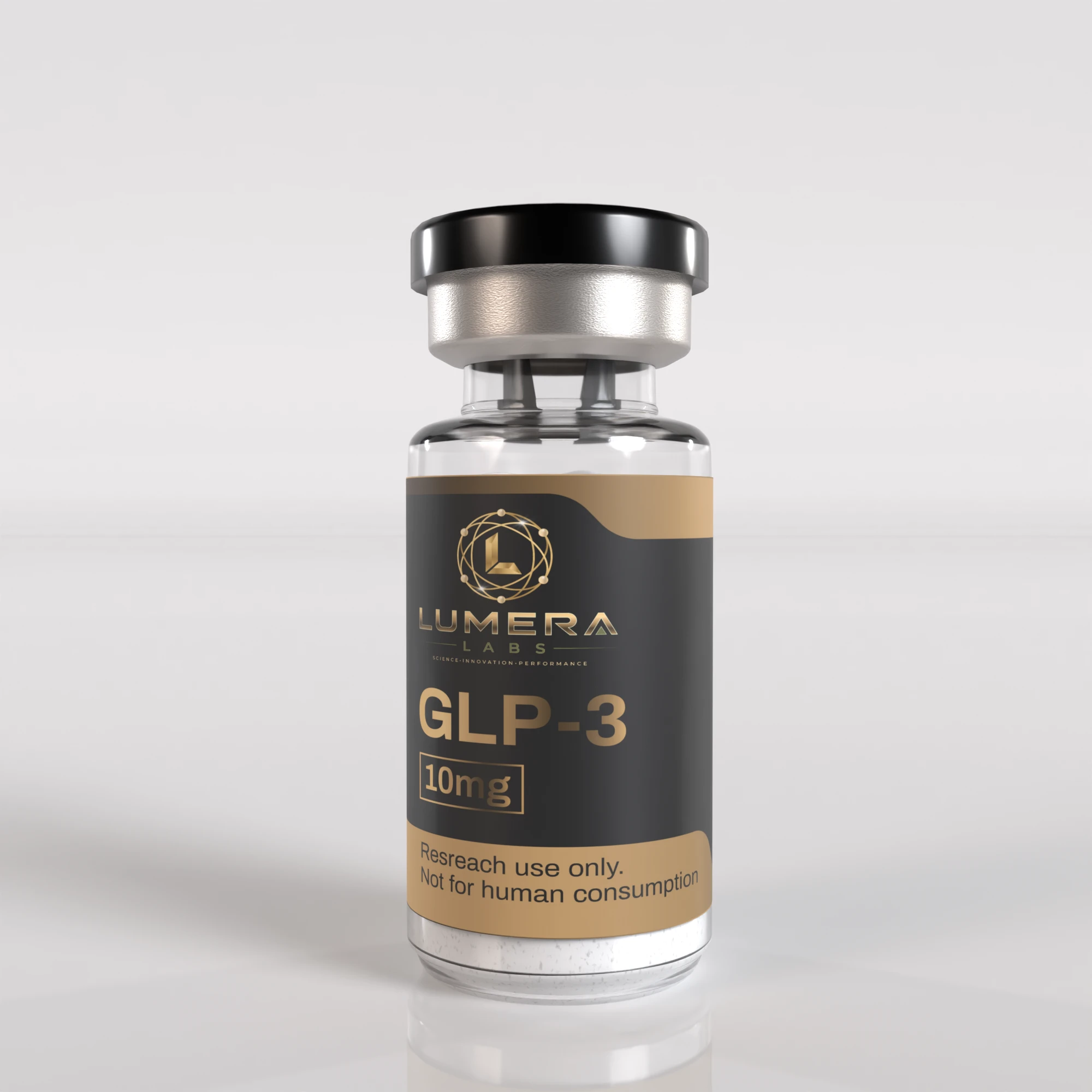

GLP-3 Research Peptide
GLP-3 (Glucagon-like Peptide-1) is a synthetic research-use-only peptide that mimics the biological activity of GLP-1, which is naturally produced in the body to regulate glucose homeostasis. This artificial peptide has been extensively studied for its potential applications in diabetes and obesity research due to its ability to stimulate insulin secretion from pancreatic beta cells.
Research Context
GLP-3 shares a similar structure with GLP-1, which consists of 30 amino acids. Its mechanism of action involves binding to the GLP-1 receptor (GLP-1R) on pancreatic beta cells and intestinal cells, leading to various physiological effects including glucose-dependent insulin secretion, enhanced glucagon suppression, and improved gut motility. The use of GLP-3 in research settings allows scientists to investigate the intricate mechanisms involved in the regulation of blood sugar levels.
Research Overview
This peptide is primarily used for its ability to stimulate insulin release, making it a valuable tool in studying beta cell function and diabetes pathogenesis. Additionally, GLP-3 can be employed to assess the efficacy of new drugs targeting GLP-1R or other related pathways.
Key Research Focus Areas
- Diabetes Research: Investigating the role of GLP-1 in insulin secretion and its potential as a therapeutic target for diabetes management.
- Beta Cell Function Analysis: Studying how GLP-3 affects beta cell proliferation, survival, and glucose-stimulated insulin release.
- Circadian Rhythm Studies: Examining the impact of GLP-1 on circadian rhythm regulation in pancreatic cells.
- GLP-1R Agonists Development: Evaluating the efficacy and safety of novel GLP-1 receptor agonists in various cell models.
Final Compliance Disclaimer
This product is intended for research use only. Not for human or animal consumption.
| Size | 10MG, 20MG |
|---|



Reviews
There are no reviews yet.